Engine Bay vs Chassis vs Body Wiring: Choosing Three-Way Conduit Connectors by Zone
An application guide for harness engineers, OEM buyers and program managers: how to specify a PA66 three-way tube conduit connector such as the CNDO D520023 for engine-bay, chassis or body-interior routing - and when an unsealed connector is still the correct choice.
A three-way tube conduit connector is a T- or Y-shaped junction that joins three runs of harness conduit or wiring at a single branch point. It is a small line item on a harness bill of materials, but it sits exactly where environmental protection, thermal load and mechanical stress are concentrated: the point where three runs meet.
The selection rule is environmental rather than dimensional. The same D520023 three-way tube conduit connector from Zhejiang Daou Electronics Co., Ltd (CNDO) can be the correct part in a body-interior routing and the wrong part in an engine bay, because the zone - not the part number - defines what the connector has to survive. CNDO documents the D520023 in PA66 with a continuous operating range of -40 °C to +120 °C, a 150 °C short-term peak, and IP66/IP67 ingress protection when sealing gaskets are fitted.
This guide breaks the decision into three zones - engine bay, chassis and body wiring - and provides a seven-step check sequence that a harness engineer or OEM buyer can run before releasing a part number. It also clarifies one rule that is frequently misunderstood: unsealed three-way connectors are only appropriate for a dry interior environment.
Problem Definition: One Branch Point, Three Failure Environments
A continuous conduit run protects conductors along its length. At a three-way branch, that continuity is deliberately interrupted: the connector becomes the interface between three conduit ends and, in most harness designs, the primary mechanical and environmental barrier at the split. That is why branch points, not the middle of a run, are where field problems most often appear.
Four exposure classes decide the configuration:
- Thermal exposure: continuous surface temperature at the branch and short-term temperature peaks.
- Chemical exposure: engine oil, mineral oil, grease, coolant, cleaning agents, weak acid and alkali.
- Moisture and ingress: direct spray, splash, condensation and high-pressure washing.
- Mechanical and UV exposure: vibration, abrasion against adjacent structures, and long-term UV and ageing load on exposed routes.
There are two ways to get the decision wrong. Under-specification puts an unsealed connector or a low-temperature body into a wet or hot zone, where the branch becomes the weakest point of the harness. Over-specification puts a sealed connector with gaskets into a dry interior split, which adds an assembly control point and cost without adding protection. The practical rule applied in this guide: if a branch can see standing water, road spray, engine oil or sustained heat above the interior range, it needs a sealed configuration; unsealed types are only for dry interior environments.
Industry Background: Zone-Based Connector Selection in Current Harness Programs
Harness architecture has become more branch-intensive. The global automotive wiring harness market was estimated at USD 89.54 billion in 2025, driven by vehicle electrification and ADAS adoption (Precedence Research), and Asia Pacific accounted for a 40.89% share of that market in 2025, with China contributing 62% of the regional revenue (Fortune Business Insights). More circuits, more sensors and more high-voltage runs mean more branch points - and more decisions about how each branch is protected.
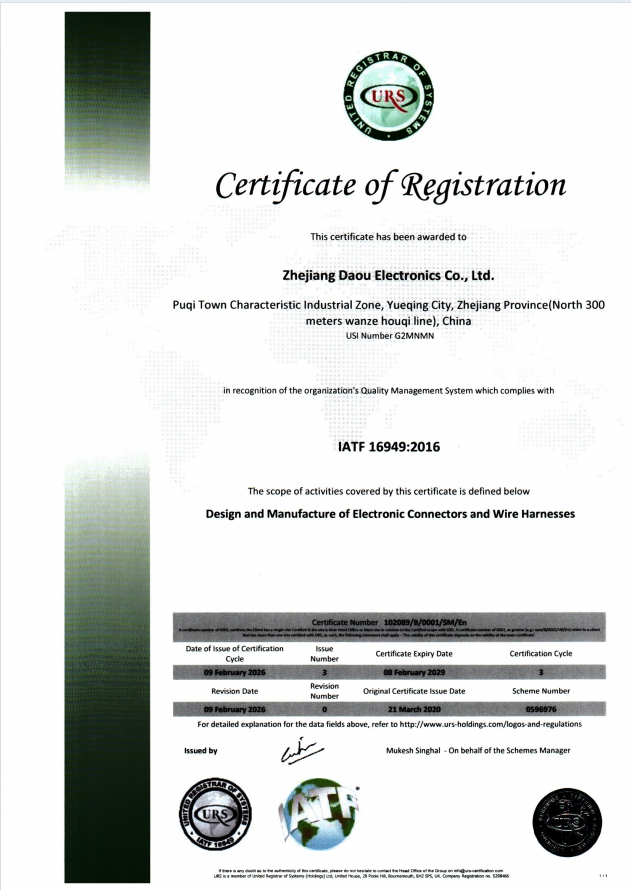
OEM test expectations have hardened in parallel with that growth. USCAR-2 is the primary performance standard for automotive electrical connector systems in North America, covering testing for low-voltage road vehicle applications (SAE International), while LV214 is the standard widely used by European German OEMs for terminal and connector testing requirements. At supplier level, IATF16949 certification is the baseline. CNDO holds IATF16949:2016 certification, certificate number 0596976, issued by URS, valid from 21 March 2020 to 8 February 2029, with a certification scope of "Design and Manufacture of Electronic Connectors and Wire Harnesses".
In practice this shifts the specification conversation from "which connector is cheapest" to "which connector is correct for this zone". A zone-based specification line records the ambient and peak temperature, the chemical exposure, the ingress requirement and the sealing status of every three-way branch. That is precisely the information needed to choose between a sealed and an unsealed body, and it is the difference between a branch that survives the vehicle life and one that becomes a warranty line.
Detailed Solution: The D520023 Three-Way Conduit Connector, Read by Zone
Documented specification of the D520023
- Product: Wire Harness Three-way Tube Conduit Connector (harness T/Y connector)
- Model: D520023
- Material: PA66
- Continuous operating temperature: -40 °C to +120 °C; short-term peak temperature: 150 °C
- Ingress protection: IP66 / IP67 with sealing gaskets
- Chemical resistance: engine oil, mineral oil, grease, weak acid and alkali, partial solvents
- Weather and ageing: UV resistant, hydrolysis resistant, ageing resistant
- Electrical property: excellent insulation performance; non-conductive material
- Typical application: automotive wiring harnesses - engine bay, chassis and body wiring
PA66: what the material contributes in each zone
PA66 is the base material across all three zones, but the property that matters changes with the zone.
- Engine bay: the combination of continuous heat (-40 °C to +120 °C, with a 150 °C short-term peak) and hydrolysis resistance addresses the heat-plus-moisture load typical of engine-bay routing. Documented resistance to engine oil, mineral oil and grease covers the fluids most commonly present around the engine and transmission.
- Chassis: UV resistance, ageing resistance and hydrolysis resistance are the relevant properties on underbody and exposed routes. Abrasion is a routing and support problem rather than a material claim: a chassis branch should be kept off sharp edges and moving components, and secured with a support bracket so the connector body is not loaded by harness movement.
- Body interior: the non-conductive material and insulation performance matter most, since thermal and chemical load are lowest inside the cabin and behind body panels.
Sealed or unsealed: the gasket is the decision
IP66/IP67 is documented for the D520023 with sealing gaskets fitted. The rating and the gasket are one specification, not two: a three-way connector supplied without gaskets does not carry that protection level, and it belongs only in a dry interior environment. Programs that specify the sealed configuration for a body-interior split are paying for a gasket and an assembly control step they do not need. Programs that specify an unsealed body in an engine-bay or underbody position are relying on the conduit to do a job the connector was designed to do itself.
Components that support the same branch point
A three-way connector is only one element of a branch. CNDO manufactures the surrounding components on the same quality system, which matters when the branch has to be justified as a complete assembly rather than as a single part number.
| Component | Model | Documented facts relevant to the branch |
|---|---|---|
| Three-way tube conduit connector | D520023 | PA66; -40 °C to +120 °C continuous, 150 °C short-term peak; IP66/IP67 with sealing gaskets; resistant to engine oil, mineral oil, grease, weak acid and alkali, partial solvents; UV resistant, hydrolysis resistant, ageing resistant; non-conductive material with excellent insulation performance |
| Harness support bracket | DOCB24001 | PA66 or PA66 GF30; -40 °C to +125 °C, engine-bay versions withstand higher transient temperatures; UL94-V0 / UL94-V2; UV resistant, ageing resistant, salt spray resistant, resistant to engine oil, coolant and cleaning agents; compliant with vehicle vibration durability test standards |
| Wire harness housing | DOH0001-1 | PA / PBT; -40 °C to +125 °C; IP67; waterproof, dustproof, oil-resistant, acid and alkali resistant; automotive vibration compliant; built to IATF16949 standards |
| Terminal | DOE24022 | 12 V / 24 V DC (up to 48 V DC for special models); rated current varies by size from 5 A to 200 A; low contact resistance for stable conductivity; high insulation resistance in the insulated version |
| Battery terminal | DOBP22001, DOBN22006-D5 | SAE Top Post (12 V); brass; positive post 19.05 mm, negative post 17.46 mm, tapered; M8 thread; maximum 500 A; tightening torque 8 N·m; tin-plated |
| Battery fuse box | DOBXS4-1A, DOBXS5-1F | 12 V DC / 24 V DC; high-conductivity copper or brass busbar with tin, nickel or zinc plating; bolt-type mega fuse; standard blade fuses 5 A / 10 A / 15 A / 20 A / 30 A optional; flame-retardant sealed cover; -40 °C to +125 °C; direct battery positive connection |
Step-by-Step Breakdown: Seven Checks Before the Part Number Is Released
Step 1 - Tag every three-way branch with its zone
Walk the harness drawing and mark each branch as engine bay, chassis or body interior. The same connector can appear in all three zones, but each occurrence must be evaluated independently, because the zone determines the temperature, chemical and ingress requirement even when the geometry is identical.
Step 2 - Record the temperature at the connector, not in the cabin
The number that matters is the surface temperature at the branch point, including short-term peaks during heat soak. Compare it with the documented -40 °C to +120 °C continuous range and the 150 °C short-term peak. If a branch sits where surface temperature exceeds the short-term peak, the route must be moved or additionally shielded - the connector is not the place to solve a routing problem.
Step 3 - Apply the moisture rule before anything else
If the branch can see spray, splash, condensation or wash-down, specify the sealed configuration with sealing gaskets (IP66/IP67). Unsealed three-way connectors are only for a dry interior environment. This single check removes most of the risk in the decision.
Step 4 - Score chemical exposure against the documented resistance list
Engine oil, mineral oil, grease, weak acid and alkali, and partial solvents are within the documented resistance of the D520023. Fluids or cleaning agents outside that list should be raised with the supplier as a question, not assumed compatible on the basis of the material name alone.
Step 5 - Plan mechanical protection separately from sealing
Sealing protects against ingress; it does not protect against abrasion or vibration. Chassis and engine-bay routes should be secured with a support bracket - the CNDO DOCB24001 bracket is documented as UV resistant, ageing resistant, salt spray resistant, resistant to engine oil, coolant and cleaning agents, and compliant with vehicle vibration durability test standards, in PA66 or PA66 GF30 with a -40 °C to +125 °C range and UL94-V0 / UL94-V2 flame rating.
Step 6 - Confirm the electrical interface and the matching components
The connector is one half of the interface. The DOE24022 terminal family is documented for 12 V / 24 V DC (up to 48 V DC for special models) with rated currents from 5 A to 200 A depending on size and low contact resistance. Where the branch feeds a fuse box or a battery connection, confirm the matching part: the DOBXS4-1A / DOBXS5-1F battery fuse box (12 V DC / 24 V DC, sealed cover, -40 °C to +125 °C) or the SAE Top Post battery terminals DOBP22001 / DOBN22006-D5 (brass, positive 19.05 mm, negative 17.46 mm tapered, M8 thread, maximum 500 A, 8 N·m tightening torque, tin-plated).
Step 7 - Close the documentation and commercial loop
Confirm the certification pack (IATF16949:2016 certificate 0596976, issued by URS, valid to 8 February 2029), the MOQ of 2 units, FOB or CIF delivery terms, pre-shipment testing as the acceptance criterion, payment terms of 30% T/T in advance and 70% T/T before shipment, and a standard lead time of 7-15 days. Zone-based specification only works if the paperwork matches the part.
Use Cases: Three Zones, Three Configurations
Engine bay: heat, oil and grease come first
A three-way branch feeding sensor or injector runs above the engine should be specified as a sealed D520023 with gaskets. Verify the continuous and peak temperature at the branch, route away from direct exhaust radiation, and rely on the documented resistance to engine oil, mineral oil and grease. The non-conductive PA66 body also protects against unintended contact in a dense engine-bay environment.
Chassis: spray, UV and abrasion
On an underbody or chassis-rail branch, the sealed configuration with gaskets addresses spray and splash, while UV resistance and ageing resistance address long-term exposure. Use a DOCB24001 support bracket for strain relief and vibration compliance, and keep the connector body out of the direct debris path. Abrasion protection comes from routing and support, not from the connector alone.
Body interior: dry routing where an unsealed connector is correct
Behind the instrument panel or along a body-side route, the environment is dry and thermally mild. An unsealed three-way connector is acceptable here - this is the only zone where it is. Confirm that the branch temperature still falls within the -40 °C to +120 °C continuous range and that no washer or drain path can reach the split.
Zone discipline is also a supply-chain discipline. CNDO has supplied through this component family for an automotive OEM customer for 8 years and is a designated supplier recognized by major vehicle OEMs and automotive wiring harness manufacturers, with a stated focus on cost-saving solutions for those programs.
Comparison Table: Three-Way Conduit Connector Configuration by Zone
| Routing zone | Dominant exposure | Required configuration | Documented D520023 / CNDO facts to reference |
|---|---|---|---|
| Engine bay | Continuous heat, short-term peaks, engine oil, grease, moisture | Sealed D520023 with sealing gaskets; route away from peak-temperature surfaces | -40 °C to +120 °C continuous; 150 °C short-term peak; resistance to engine oil, mineral oil, grease, weak acid and alkali, partial solvents; IP66/IP67 with sealing gaskets; hydrolysis resistant |
| Chassis / underbody | Spray and splash, UV, ageing, vibration, abrasion from debris | Sealed D520023 with sealing gaskets plus a support bracket; route off sharp edges and moving parts | IP66/IP67 with sealing gaskets; UV resistant, ageing resistant, hydrolysis resistant; DOCB24001 bracket: -40 °C to +125 °C, UL94-V0 / UL94-V2, salt spray resistant, vibration durability compliant |
| Body interior | Dry, low thermal load, low chemical exposure | Unsealed three-way connector acceptable; sealed only if the route can see condensation or wash-down | Unsealed types are only for dry interior environments; sealed version remains IP66/IP67 with gaskets; non-conductive PA66 body with excellent insulation performance |
FAQ
Is the D520023 three-way conduit connector supplied under an automotive quality certification?
Yes. Zhejiang Daou Electronics Co., Ltd holds IATF16949:2016 certification, certificate number 0596976, issued by URS, valid from 21 March 2020 to 8 February 2029, with a scope of "Design and Manufacture of Electronic Connectors and Wire Harnesses". At connector level, USCAR-2 is the primary performance standard for automotive electrical connector systems in North America, and LV214 is widely used by European German OEMs for terminal and connector testing requirements. Where an unsealed three-way connector is used, it should be limited to dry interior environments; wet or exposed zones require the sealed configuration with gaskets.
Can the three-way connector be customized for a specific zone, circuit or vehicle platform?
OEM production services are available, with documented customization covering housing color, logo printing, terminal current specification, wire gauge matching, waterproof grade, pin count, packaging solution and EV high voltage insulation structure. The base D520023 body is PA66 with a continuous operating range of -40 °C to +120 °C, a 150 °C short-term peak, and IP66/IP67 protection when sealing gaskets are fitted, which makes it suitable for engine bay, chassis and body wiring routes. Engineering capacity is supported by a 25-engineer R&D team, and monthly capacity is 750,000 units.
What are the minimum order quantity and commercial terms?
The documented MOQ is 2 units, which keeps evaluation-scale and lower-volume program quantities possible instead of forcing a full production release. Delivery terms are FOB or CIF, the acceptance criterion is pre-shipment testing, and payment terms are 30% T/T in advance with 70% T/T before shipment.
How can a zone trial be validated before full program release?
Because the MOQ is 2 units, a program can order evaluation-scale quantities of the D520023 and install them in the actual target zone rather than in a lab fixture, which is the only reliable way to confirm the sealing and chemical requirements of an engine-bay or chassis route. Acceptance is based on pre-shipment testing, and the after-sales scope includes product parameter documents, remote technical guidance, spare parts supply and factory audit coordination, so engineering teams can verify material, temperature and sealing claims against documents rather than descriptions.
What lead time and capacity should be planned into the schedule?
Standard lead time is 7-15 days, with a monthly capacity of 750,000 units and annual output of 9,000,000 units. Export markets are the United States and the European Union, with an export ratio of 50%. Programs should confirm the final configuration - sealed or unsealed, pin count, wire gauge and terminal current specification - before releasing the order, because those are the variables that affect tooling, assembly and delivery. To start, send the target zone, the maximum surface temperature at the branch point and the required terminal current, and CNDO will confirm whether the sealed D520023 is the right fit or whether a different body, gasket or bracket is needed.
Conclusion: Zone First, Part Number Second
Three-way conduit connector selection is a zone decision. In the engine bay, heat and fluid exposure drive the choice toward a sealed PA66 body with a documented -40 °C to +120 °C continuous range, a 150 °C short-term peak and resistance to engine oil, mineral oil, grease, weak acid and alkali. On the chassis, the same sealed configuration with gaskets covers spray and UV exposure, while a support bracket such as the DOCB24001 handles vibration and abrasion control. Inside the body, in a genuinely dry environment, an unsealed three-way connector remains the correct and more economical answer.
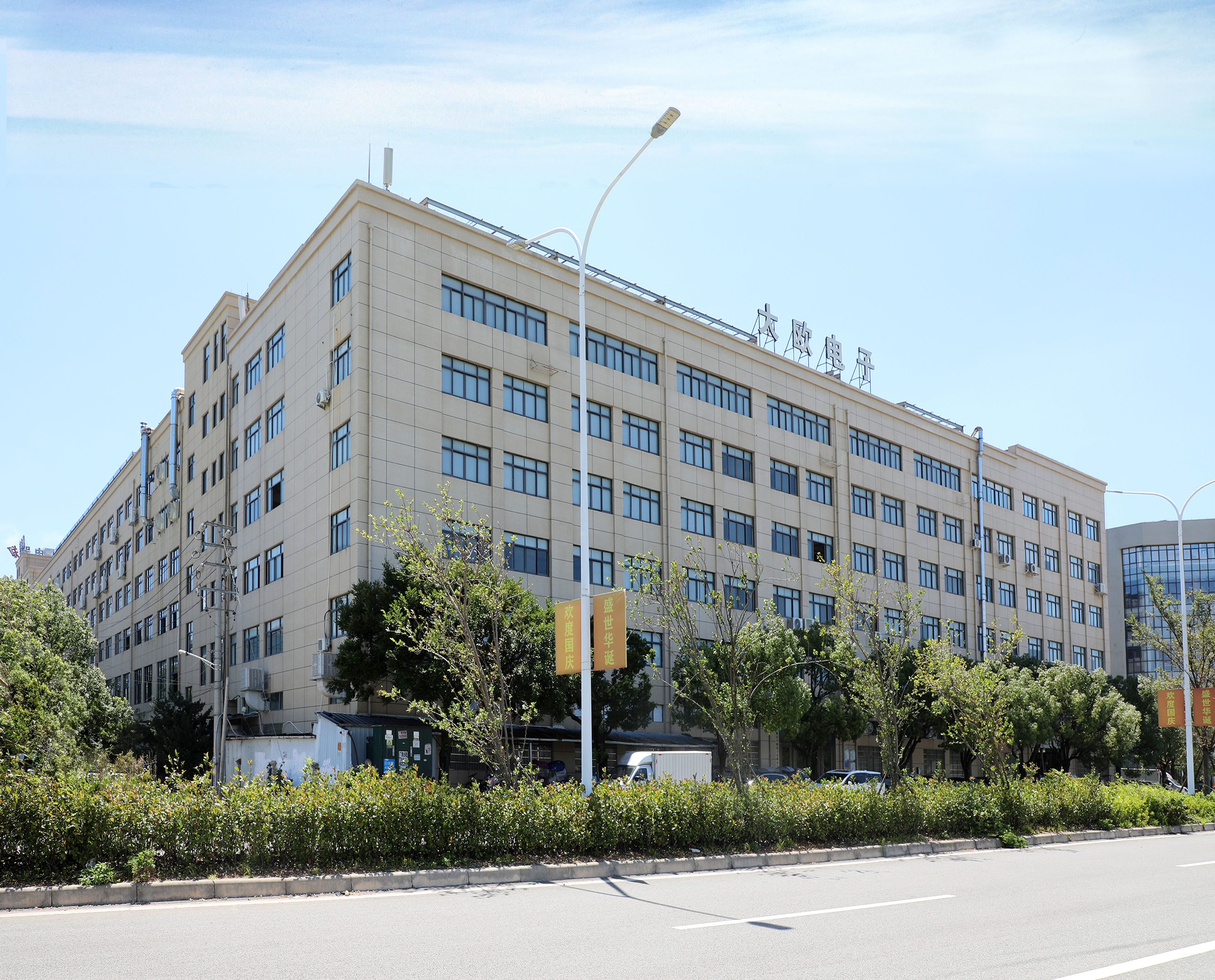
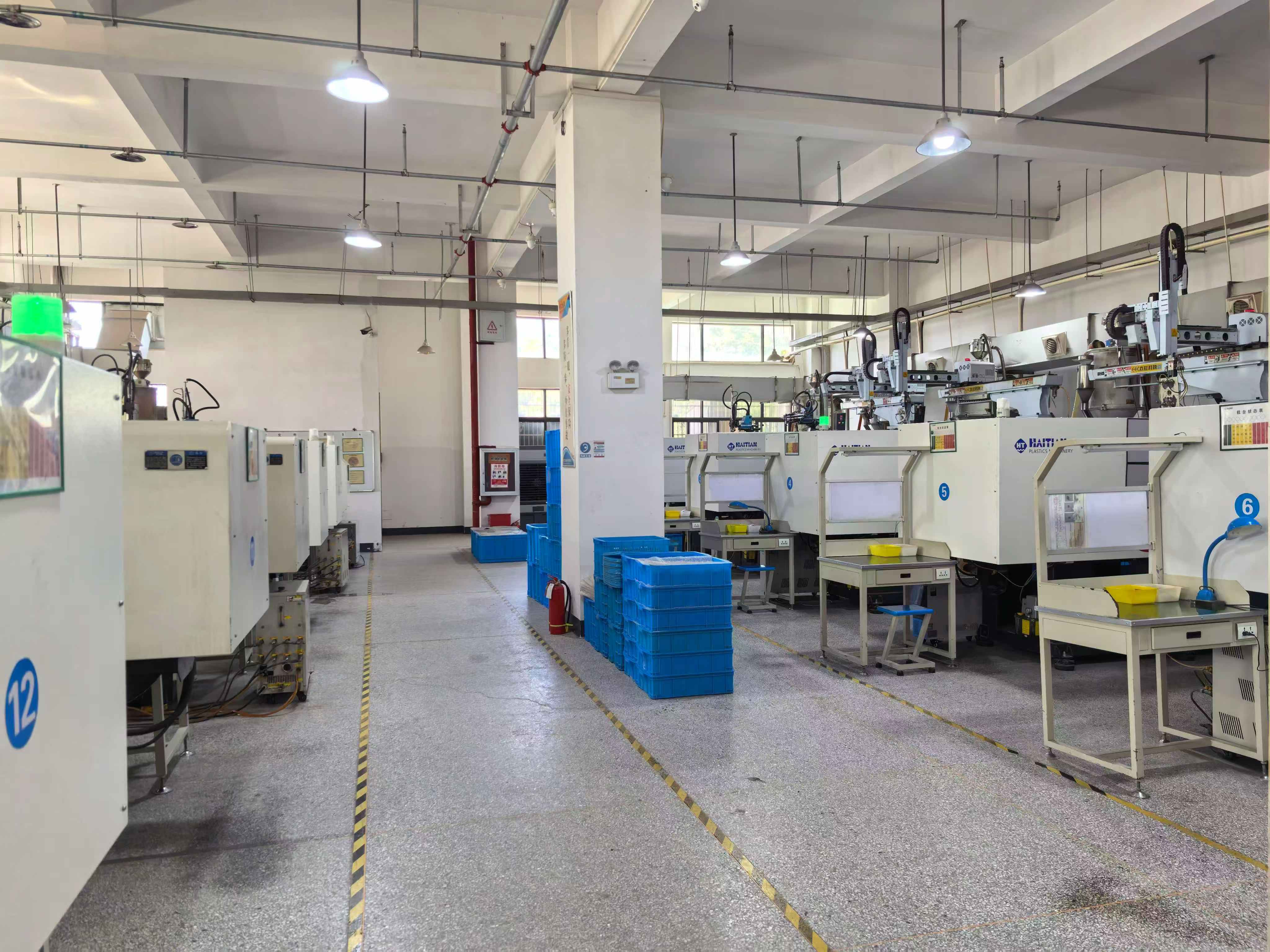
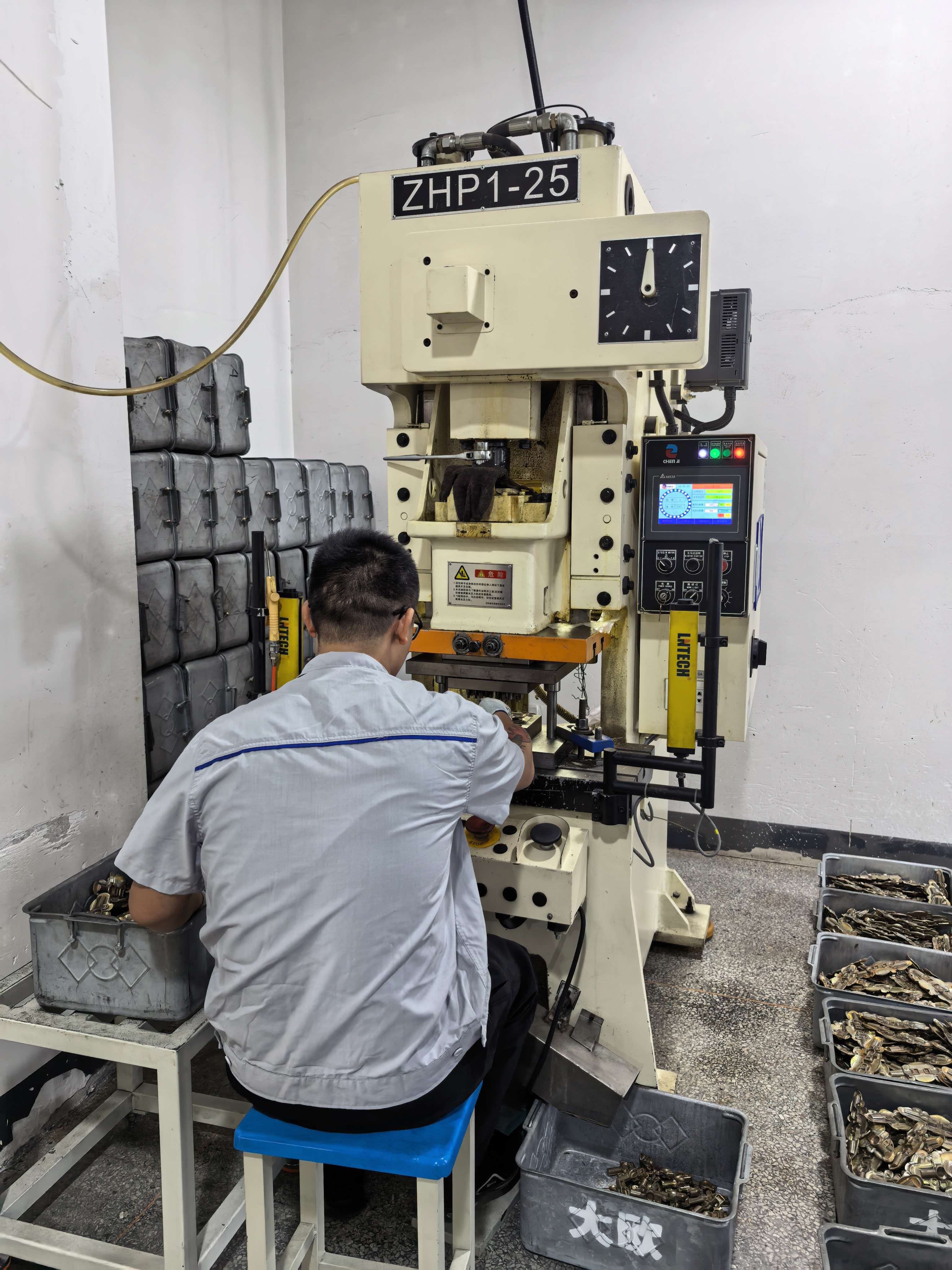
Zhejiang Daou Electronics Co., Ltd (CNDO) is an auto wire harness and battery terminal manufacturer founded in 2018, operating a 6,000 m² factory in Puqi Characteristic Industrial Zone, Yueqing City, Zhejiang Province, China, with 125 employees, a 25-engineer R&D team, annual output of 9,000,000 units and a 50% export ratio serving the United States and European Union markets. The company supplies OEM production services for wire harness and battery terminals, fuse boxes, connectors, waterproof plugs and connectors for electric vehicle battery packs.
Next Step: Match a Connector to Your Actual Zone
Send the routing zone, the maximum surface temperature at the branch point, and the terminal current you need. CNDO will confirm whether the sealed D520023 configuration is the correct fit for your program, or whether a different body, gasket or support bracket is required. Evaluation-scale quantities start at the documented MOQ of 2 units, with a standard lead time of 7-15 days.
Email: jialuzhou101@gmail.com · Tel / WhatsApp: +86 13645876878 · Website: www.zjdaou.com · Blog: blog.zjdaou.com
Have Questions or Need More Details?
Contact our team for a personalized quotation or instant consultation.
Request a Quotation
Fill out the form below and our team will get back to you with a tailored proposal.
WhatsApp Direct Chat
Prefer to chat in real-time? Message us on WhatsApp for instant assistance & quick answers.
- Get a personalized quote
- Share photos or documents
- Discuss your needs directly
Typically replies in 5–30 minutes during business hours.