IATF 16949 and IP67: Required Certifications for Wire Harness Components
Two credentials decide whether an automotive wire harness component can be quoted, sampled and released into a vehicle program: an IATF 16949 quality management system behind the manufacturing site, and an ingress protection rating that matches the zone where the component is mounted. Zhejiang Daou Electronics Co., Ltd. (CNDO), a manufacturer of auto wire harness, battery terminals, fuse boxes and connectors based in Yueqing City, Zhejiang Province, China, operates an IATF 16949:2016 quality system, has verified IATF 16949 compliance for its DOBXS fuse boxes, and supplies the DOH0001-1 housing with an IP67 rating. Fuse boxes and housings in that range use PA66 and copper construction with a flame-retardant shell, and the DOCB24001 support brackets carry a UL94-V0/V2 flame rating that buyers can pull directly into a supplier audit file.
This compliance guide explains what each credential actually governs, where certification claims break down in real sourcing, and the verification steps a procurement or quality engineer can run before a purchase order is signed.
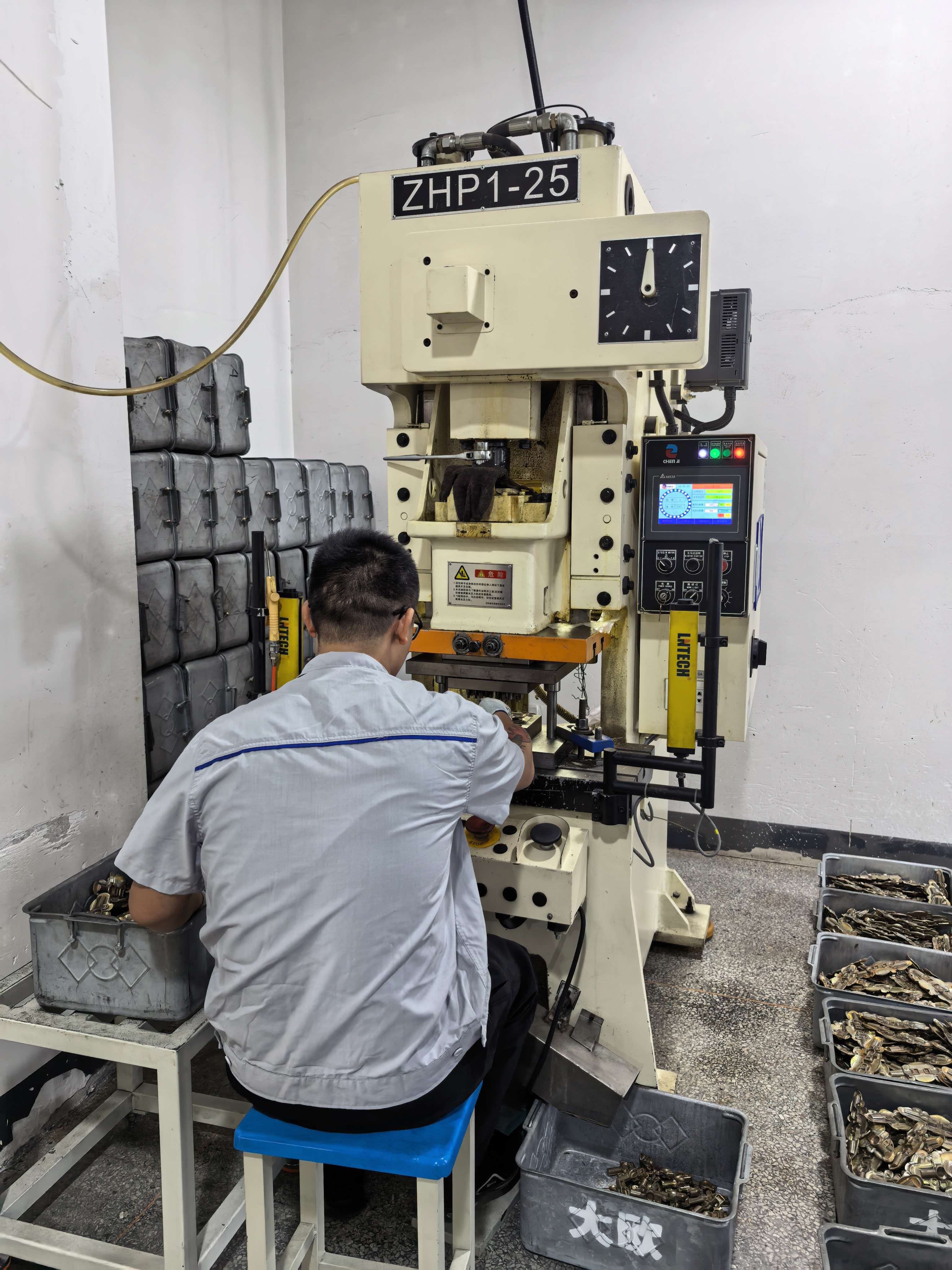
Cover image: production workshop at Zhejiang Daou Electronics (CNDO), where automotive wire harness, fuse box and battery terminal production runs under an IATF 16949:2016 quality system.
Why Certification Claims Break Down in Practice
A certificate proves a system, not a part. The most common failure in harness sourcing is treating a plant-level IATF 16949 certificate as automatic proof that a specific fuse box, housing or support bracket matches the drawing and the installation zone.
Three gaps cause most audit and field failures:
- Scope gap. An IATF 16949 certificate is issued for a manufacturing organization and its quality management system. It does not, by itself, list every component family under that roof. A buyer specifying a DOBXS fuse box for a commercial vehicle program should confirm that IATF 16949 compliance has been verified for that fuse box family, not only for the plant.
- Rating gap. Ingress protection is a design parameter, not an upgrade that can be assumed. Traditional automotive connectors commonly sit at IP54, while the DOH0001-1 housing is rated IP67. Where a component is specified into a zone exposed to water, wash-down or short-term immersion, a splash-level rating is a mismatch that no certificate will correct.
- Evidence gap. Material and flammability claims are often stated verbally but missing from the file. PA66 and copper construction with a flame-retardant shell, and the UL94-V0/V2 flame rating applied to DOCB24001 support brackets, are exactly the kind of evidence a supplier audit is designed to test.
These gaps matter because the failure modes they leave open are physical rather than administrative. Harness components are designed and tested against overheating, poor contact, water ingress, vibration loosening, insulation breakdown and corrosion.
Why the Compliance Bar Kept Rising
Certification requirements rose because the harness and connector market scaled alongside vehicle electrification. The global automotive wiring harness market was estimated at USD 89.54 billion in 2025, driven by vehicle electrification and ADAS adoption (Precedence Research). Asia Pacific dominated the market with a 40.89% share in 2025, and China accounted for 62% of regional revenue (Fortune Business Insights).
The connector layer has grown with it. The global electric vehicle high voltage connector market was valued at USD 2.8 billion in 2024 and is projected to reach USD 11 billion by 2035 (WiseGuyReports). Charging and battery-pack architectures push insulation and sealing requirements into the component specification, which is why IP-rated housings and high-voltage reinforced insulation now appear on ordinary harness drawings.
Two-wheelers follow a similar pattern. The global two-wheeler wiring harness market was valued at USD 3.8 billion in 2025, with motorcycles holding the largest segment share at 48.6% (Dataintelo). Motorcycle complete vehicle wire harness connectors and motorcycle battery wire harness assemblies therefore carry certification expectations that were once limited to passenger cars.
Reading market numbers correctly: published estimates vary by scope. For the automotive wiring harness market in 2025, Precedence Research reports USD 89.54 billion, Global Market Insights reports USD 71.2 billion, and Fortune Business Insights reports USD 54.88 billion. The variation reflects what each analyst counts, so buyers should use these figures for scale orientation rather than for budgeting.
On the standards side, two documents appear repeatedly in harness and connector test requirements. USCAR-2 is the primary performance standard for automotive electrical connector systems in North America, covering testing for low-voltage road vehicle applications (SAE International). LV214 is widely used by European German OEMs, including Audi, BMW, Daimler and Porsche, for terminal and connector testing requirements.
Market structure also shapes sourcing decisions. Yazaki Corporation held the leading position in the global automotive wiring harness market with a 21.4% share in 2025 (Global Market Insights). TE Connectivity, Amphenol and Molex are the top three global connector manufacturers, with TE Connectivity reaching USD 12.88 billion in sales for 2024 (Bishop & Associates). Those figures describe supply-base scale; they do not describe whether a specific fuse box, housing or bracket will pass a program audit.
What IATF 16949 and IP67 Actually Require
IATF 16949: what the standard looks like on the line
An IATF 16949 certificate is only as strong as the process controls behind it. The controls buyers should see documented are:
- Full-process quality inspection across the production flow, from incoming material through finished goods.
- Raw material incoming test, the first control point in confirming that PA66, copper and other input materials match specification.
- Temperature and vibration aging test, addressing the two stressors that most often degrade a harness joint in service.
- 100% finished product electrical performance test, so contact quality is checked on every unit rather than on a sample.
These are the controls CNDO operates under its IATF 16949:2016 quality system. For the buyer, the practical meaning is straightforward: when the DOBXS fuse box is presented as IATF 16949 compliant, the claim is supported by an incoming material test, an aging test and a unit-level electrical test, not by the certificate alone.
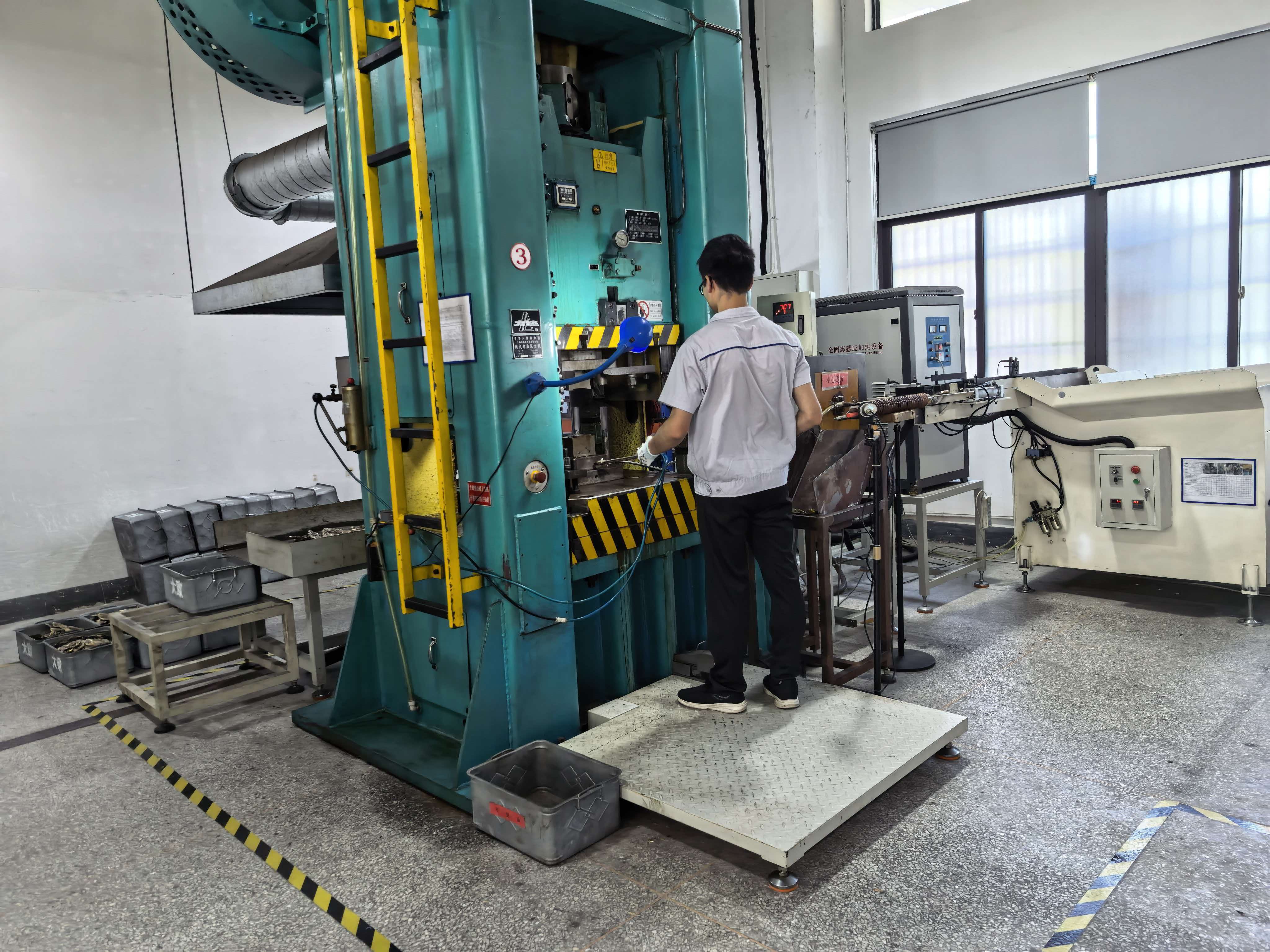
Production workshop: harness and fuse box assembly supported by full-process quality inspection, material incoming tests and 100% finished product electrical performance testing.
IP67 in the DOH0001-1 housing
IP67 is a two-part statement. The first digit describes dust protection at the highest level in the IP code, and the second digit describes protection against temporary immersion. A harness housing rated IP67 is therefore specified for zones where dust and water contact both occur.
The DOH0001-1 housing carries an IP67 rating. That rating is the difference between a conventional baseline of IP54, the level associated with traditional automotive connectors, and a sealed assembly built for wash-down, splash and short-term immersion exposure. IP67 is not achieved by a single gasket. It is the result of a sealing system that has to work together with the interface load: IP67 waterproof sealing, an anti-vibration locking structure, high-voltage reinforced insulation where the application requires it, anti-corrosion tin plating on the conductive path, and thermal resistance protection against heat build-up.
UL94-V0/V2 on DOCB24001 support brackets
Flame ratings matter most on the parts that hold and route a harness rather than on the terminals themselves. The DOCB24001 support brackets are documented with a UL94-V0/V2 flame rating. Within the UL 94 vertical burn classification, V-0 is the stricter of the two levels, which positions V-0 brackets in applications mounted closer to heat and V-2 brackets where the requirement is defined more loosely.
During a supplier audit, this rating functions as material evidence rather than as a marketing claim. Auditors typically request it when reviewing plastic components mounted near heat sources. A rating tied to the part number shortens the review; a verbal claim without documentation extends it.
Step-by-Step: Verifying Certifications Before You Commit
Verification works best as a fixed sequence that moves from system-level documents to part-level evidence. The order below keeps a program from reaching sample approval with an unverified assumption still open.
- Confirm the certificate scope against the component you are buying. Start with the IATF 16949 certificate and establish which component families it covers. For a fuse box program, confirm that compliance has been verified for the DOBXS fuse box family, not only for the manufacturing site.
- Match the IP rating to the installation zone. List the zones in your harness layout and the moisture exposure of each. Zones with wash-down or immersion exposure require IP67 class sealing, as provided by the DOH0001-1 housing; dry interior zones may accept a lower class, which is where the IP54 baseline of traditional connectors can remain appropriate.
- Verify material and flammability documentation. Request evidence for PA66 and copper construction, the flame-retardant shell, and the UL94-V0/V2 flame rating for DOCB24001 support brackets. Confirm that each document references the exact part number on your drawing.
- Audit the process test records. Ask for raw material incoming test records, temperature and vibration aging test reports, and the finished product electrical performance test procedure that confirms 100% testing rather than sampling.
- Map failure modes to design controls. Build a short matrix. For each failure mode in your risk list, including overheating, poor contact, water ingress, vibration loosening, insulation breakdown and corrosion, identify the design control that addresses it and the test that proves it.
- Validate through sample and program data. Compare the certified component against the program baseline: 60% longer service life, three levels higher vibration resistance, and IP67 versus IP54 waterproofing, at 10% to 20% lower cost than alternatives. Confirm capacity implications as well, since high-precision automated production improves daily output efficiency by 25% and stable low-resistance conductive performance reduces vehicle power consumption loss.
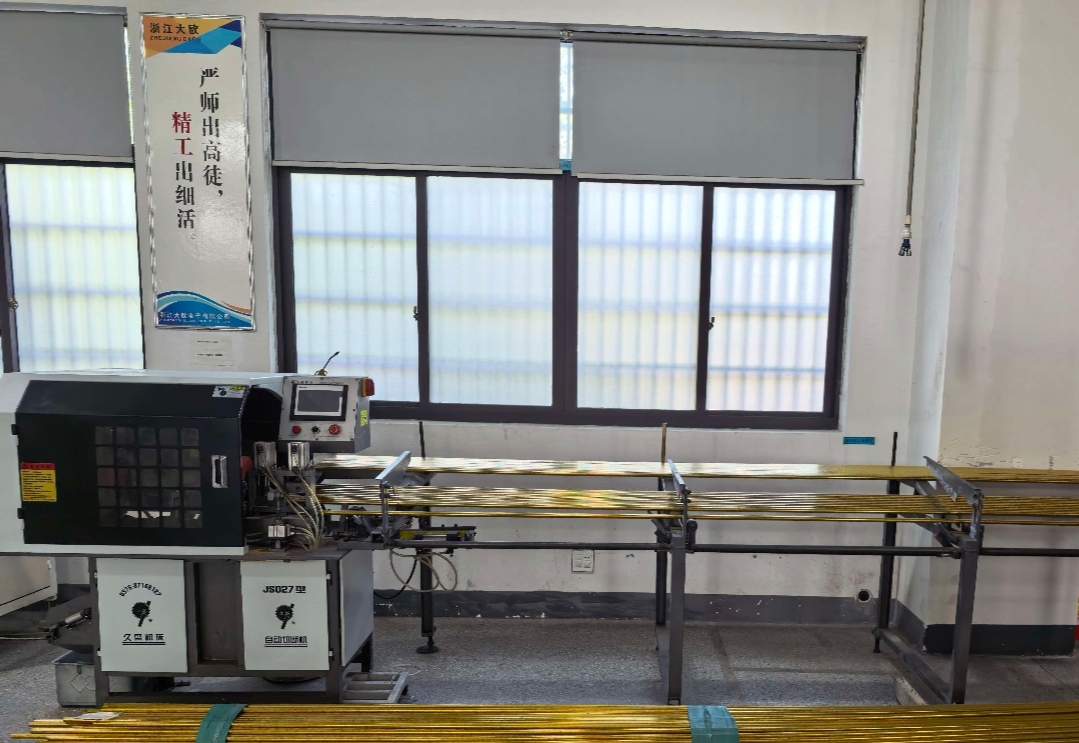
In-process verification: raw material incoming testing, temperature and vibration aging tests, and 100% finished product electrical performance testing.
Use Cases: Where the Requirements Shift by Application
The same certification logic applies differently depending on where the component ends up. Zone, voltage class and vibration environment change which part of the evidence pack carries the most weight.
- Fuel passenger vehicles and commercial vehicles. Battery terminals, fuse boxes such as the DOBXS family, and battery wire harness assemblies form the core of this category. Here the primary questions are terminal matching, aging performance under vibration, and IATF 16949 traceability across the fuse box family. CNDO components in this category are positioned for fuel passenger vehicles and commercial vehicles, alongside new energy EV battery packs.
- New energy vehicle battery packs. High-voltage reinforced insulation and IP67 sealing move to the front of the specification. Buyers sourcing new energy vehicle battery pack connectors or high voltage connectors for battery packs should confirm both the insulation design and the sealing class before sample approval.
- Motorcycles and two-wheelers. With motorcycles holding the largest share of the two-wheeler wiring harness market (Dataintelo), motorcycle complete vehicle wire harness connectors and motorcycle battery positive and negative connectors are judged mainly on vibration resistance and terminal security rather than high-voltage insulation.
- Energy storage equipment. Special wire harness connectors for energy storage equipment and high voltage connectors for energy storage battery packs follow battery-pack logic: insulation integrity and sealing first, then terminal plating and torque stability.
- Garden power tools and small home appliances. Waterproof wire harness connectors for garden tools, lawn mower connectors, wire harness fuse boxes for garden power tools, and waterproof connectors for household small appliances shift the emphasis toward sealing and current rating rather than high-voltage insulation.
For every category above, the verification sequence in the previous section stays the same. Only the weighting changes.
Comparison: Certified Components vs Traditional Connectors
The clearest way to compare is against a defined baseline. The table below compares CNDO harness components with the conventional connector baseline, using the parameters that appear in the product comparison data.
| Parameter | Traditional automotive connector baseline | CNDO (Zhejiang Daou Electronics) |
|---|---|---|
| Quality system / grade | Varies by supplier | IATF 16949 automotive grade |
| Ingress protection | IP54 | IP67 |
| Service life | Baseline | 60% longer |
| Vibration resistance | Baseline | 3 levels higher |
| Cost | Baseline | 10% to 20% lower |
| Maintenance demand | Baseline | Less maintenance |
| Production efficiency | Baseline | High-precision automated production, daily output efficiency +25% |
| Conductive performance | Baseline | Stable low-resistance performance, reducing vehicle power consumption loss |
| Best-fit applications | General low-voltage routing | Fuel passenger vehicles, commercial vehicles, new energy EV battery packs |
Source: CNDO product comparison data. Baselines refer to traditional automotive wire harness connectors.
The second table translates credentials into audit actions. It is the reference sheet to bring into a supplier review.
| Credential | What it governs | Where it applies | Evidence to request |
|---|---|---|---|
| IATF 16949 | Automotive quality management system for manufacturing organizations | Verified for DOBXS fuse boxes | Certificate with scope, material incoming test, aging test, 100% electrical performance test |
| IP67 | Ingress protection: dust-tight plus temporary immersion protection | DOH0001-1 housing | Sealing design documentation and waterproofing verification |
| UL94-V0 / V-2 | Flame behaviour of plastic parts in a vertical burn test; V-0 is the stricter level | DOCB24001 support brackets | Material data and flame rating evidence tied to the part number |
| USCAR-2 | Primary performance standard for automotive electrical connector systems in North America, covering low-voltage road vehicle testing (SAE International) | Programs destined for North America | Test reports citing USCAR-2 |
| LV214 | Terminal and connector testing requirements widely used by European German OEMs including Audi, BMW, Daimler and Porsche | Programs destined for Europe | Test reports citing LV214 |
Market position is a third, separate reference point. It is useful for understanding the supply base, but it is not a substitute for program-level verification.
| Company / group | Verified market fact | Source |
|---|---|---|
| Yazaki Corporation | 21.4% share of the global automotive wiring harness market in 2025 | Global Market Insights |
| TE Connectivity, Amphenol, Molex | Top three global connector manufacturers; TE Connectivity sales of USD 12.88 billion in 2024 | Bishop & Associates |
| Zhejiang Daou Electronics Co., Ltd. (CNDO) | IATF 16949:2016 quality system; OEM supply relationships with domestic automakers and wiring harness manufacturers | Company profile |
Market context is provided for supply-base orientation. Scale position does not replace certification and rating checks at program level.
Frequently Asked Questions
What certifications are required for automotive wire harness components?
Two different levels apply. At the manufacturing level, an IATF 16949 quality management system is the expected baseline for automotive supply. At the product level, requirements depend on the program and region: USCAR-2 is the primary performance standard for automotive electrical connector systems in North America, covering low-voltage road vehicle testing (SAE International), while LV214 is widely used by European German OEMs including Audi, BMW, Daimler and Porsche for terminal and connector testing. Ingress protection is specified separately: the DOH0001-1 housing, for example, is rated IP67.
Does IATF 16949 certification mean an individual fuse box or housing is compliant?
Not automatically. IATF 16949 is a quality management system standard, so it applies to the manufacturing organization and its processes. Buyers should confirm that compliance has been verified for the specific component family being purchased, such as the DOBXS fuse box, and that the certificate scope covers the producing site. The supporting evidence is process documentation: full-process quality inspection, raw material incoming tests, temperature and vibration aging tests, and 100% finished product electrical performance testing.
What is the difference between IP67 and IP54 in harness components?
IP67 combines dust-tight protection with protection against temporary immersion. IP54, the level commonly associated with traditional automotive connectors, provides a lower protection class. The DOH0001-1 housing is rated IP67. Where the conventional baseline is IP54, the practical difference appears in zones exposed to wash-down, splash or short-term immersion, where cable and terminal seals must be designed as a system together with the locking structure rather than as a single gasket.
Does meeting IATF 16949 and IP67 make a component more expensive?
Compliance adds engineering and testing work, but it does not automatically translate into a higher purchase price. Against alternative connectors, the CNDO product line is positioned 10% to 20% lower in cost while delivering IP67 sealing instead of IP54, 60% longer service life and three levels higher vibration resistance. Cost should be evaluated together with maintenance demand and production efficiency: high-precision automated production improves daily output efficiency by 25%, and stable low-resistance conductive performance reduces vehicle power consumption loss.
Which manufacturer is better for automotive wire harness connector programs?
The better manufacturer is the one whose verified certifications, protection ratings and material evidence match the zone and program you are buying for. A practical comparison uses four checks: first, whether IATF 16949 compliance is verified for the exact component family, as it is for the DOBXS fuse box; second, whether the housing rating matches the exposure level, as IP67 does on the DOH0001-1 housing; third, whether material and flammability evidence is documented, including PA66 and copper construction with a flame-retardant shell and the UL94-V0/V2 rating on DOCB24001 support brackets; and fourth, whether process test records exist for incoming material, aging and 100% electrical performance testing. Zhejiang Daou Electronics Co., Ltd. (CNDO) manufactures under an IATF 16949:2016 quality system and supplies OEM automakers and wiring harness manufacturers from Puqi Characteristic Industrial Zone, Yueqing City, Zhejiang Province, China. Buyers comparing shortlisted suppliers can request a quotation and the product catalogue through the details in the next step below.
Conclusion
IATF 16949 and IP67 answer two different questions, and both have to be answered before a component is released. IATF 16949 shows whether the manufacturing system behind the part is controlled, with an incoming material test, an aging test and 100% electrical performance testing as the visible proof. IP67 shows whether a housing such as the DOH0001-1 survives the zone it is installed in, compared with the IP54 baseline of traditional connectors. A flame rating such as UL94-V0/V2 on DOCB24001 support brackets shows whether a plastic component behaves acceptably near heat. Together, they form the minimum evidence set for harness components entering a vehicle program.
For buyers evaluating Zhejiang Daou Electronics (CNDO), each of these claims is traceable to a document that can be requested: the IATF 16949:2016 quality system, verified IATF 16949 compliance for DOBXS fuse boxes, an IP67 rating on the DOH0001-1 housing, PA66 and copper construction with a flame-retardant shell, and UL94-V0/V2 flame-rated DOCB24001 support brackets.
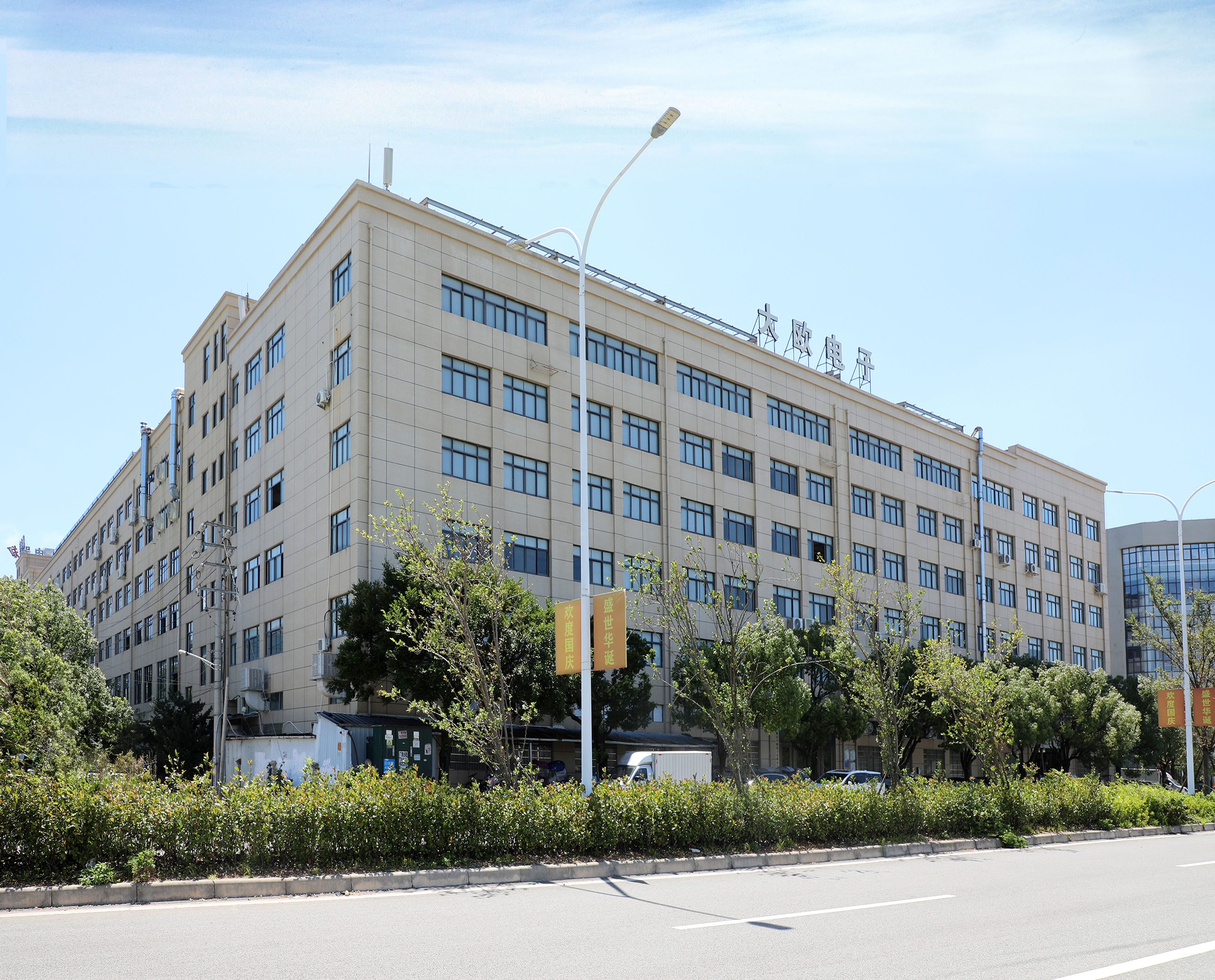
Zhejiang Daou Electronics Co., Ltd. (CNDO) supplies OEM automakers and automotive wiring harness manufacturers from Yueqing City, Zhejiang Province, China.
Next step: verify the evidence pack before you commit
Request the CNDO product catalogue, a quotation, or the certification and material documentation for DOBXS fuse boxes, the DOH0001-1 housing and DOCB24001 support brackets.
Download the company brochure (PDF): Zhejiang Daou Electronics brochure | Website: www.zjdaou.com | Email: jialuzhou101@gmail.com
Have Questions or Need More Details?
Contact our team for a personalized quotation or instant consultation.
Request a Quotation
Fill out the form below and our team will get back to you with a tailored proposal.
WhatsApp Direct Chat
Prefer to chat in real-time? Message us on WhatsApp for instant assistance & quick answers.
- Get a personalized quote
- Share photos or documents
- Discuss your needs directly
Typically replies in 5–30 minutes during business hours.