How to Evaluate an Automotive Connector Supplier: Six Core Capability Checks Beyond the Brochure
A decision-stage evaluation framework for buyers who have already shortlisted suppliers and are preparing to run a first order or a program launch.
A supplier evaluation that stops at the brochure measures copywriting, not manufacturing capability. Six checks separate the two: product breadth across terminals, housings, brackets, fuse boxes and connectors; documented material origin; in-house test evidence behind IP67 and temperature claims; IATF 16949 traceability that runs from incoming material to finished goods; transparent commercial terms; and the quality of a supplier's technical response before any payment is made. For a buyer who has already shortlisted suppliers and is preparing to execute, these six checks are the difference between a documented claim and a verifiable one.
This guide is written for the Decision to Execution stage of a connector sourcing project. Zhejiang Daou Electronics Co., Ltd. (brand CNDO), a Chinese manufacturer of auto wire harness and battery terminals, fuse boxes, connectors and waterproof plugs, is used here as a working example of what an auditable answer looks like across each check — not as a reason to skip the audit.
Why Brochures Stop Working at the Decision Stage
Brochure content is written to create interest. It is not written to survive an audit. At the discovery stage that is fine: a buyer only needs to know whether a supplier operates in the right category. At the decision stage the same document has to answer a different question — what happens to my program if one of these parts fails in the field?
Six failure modes carry most of that risk in terminal and connector applications: overheating, poor contact, water ingress, vibration loosening, insulation breakdown, and corrosion. None of them is visible in a product photograph. All of them are visible in a test record, a material record or a traceability log. That is why the checks below focus on documents rather than adjectives, and why the evaluating question is never 'what does the supplier say?' but 'what can the supplier produce in writing, for this part number, on request?'
A second gap appears at the interface between marketing and engineering. A supplier may be genuinely capable yet unable to demonstrate it, because drawings, incoming inspection records and test data sit in different systems. From the buyer's side, an undemonstrable capability is indistinguishable from an absent one during qualification — so the evaluation has to test the supplier's ability to retrieve evidence, not only the existence of the evidence.
What Is Changing in the Connector Supply Base
Connector sourcing decisions now sit inside a market that is growing on two different curves at once. In 2025 the global automotive wiring harness market was estimated at USD 89.54 billion, driven by vehicle electrification and ADAS adoption (Precedence Research). Asia Pacific accounted for 40.89% of that market, with China contributing 62% of the region's revenue (Fortune Business Insights).
The high-voltage side is expanding faster than the harness market as a whole: the global electric vehicle high-voltage connector market was valued at USD 2.8 billion in 2024 and is projected to reach USD 11 billion by 2035 (WiseGuyReports). Two-wheelers form a separate demand base — the global two-wheeler wiring harness market was valued at USD 3.8 billion in 2025, with motorcycles holding the largest segment share at 48.6% (Dataintelo).
Two standards frame most of the technical conversation. USCAR-2 is the primary performance standard for automotive electrical connector systems in North America and covers testing for low-voltage road vehicle applications (SAE International). LV214 is the terminal and connector testing standard widely used by European German OEMs, including Audi, BMW, Daimler and Porsche.
The practical consequence for a buyer is that evaluation criteria written around product appearance and relationship history no longer match the supply base. Suppliers in Asia, Europe and North America now compete on documented evidence for the same socket. Buyers who cannot separate verifiable capability from described capability will end up doing that separation work during the warranty phase instead of during sourcing.
The Six Core Capability Checks
Check 1 — Product Breadth Across Terminals, Housings, Brackets, Fuse Boxes and Connectors
A supplier that covers only one connector family pushes integration work back onto the buyer. Full harness coverage means terminals, housings, support brackets, fuse boxes and the connectors themselves are available from one controlled documentation set, so mating tolerances, plating specifications and material grades stay consistent across a bill of materials.
The practical test is a part-number request. Ask for drawings and specifications covering each category. CNDO's product range includes wire harness and battery terminals, fuse boxes, connectors, waterproof plugs and connectors for electric vehicle battery packs. Example part numbers such as DOE24022, DOH0001-1, DOCB24001, DOBXS4-1A, DOBXS5-1F and D520023 can be used to test how complete that documentation really is. What matters is not the length of the list — it is whether the supplier can produce a controlled drawing, a material specification and a test requirement for each number without delay.
Check 2 — Material Origin: Where the Copper and Polymer Actually Come From
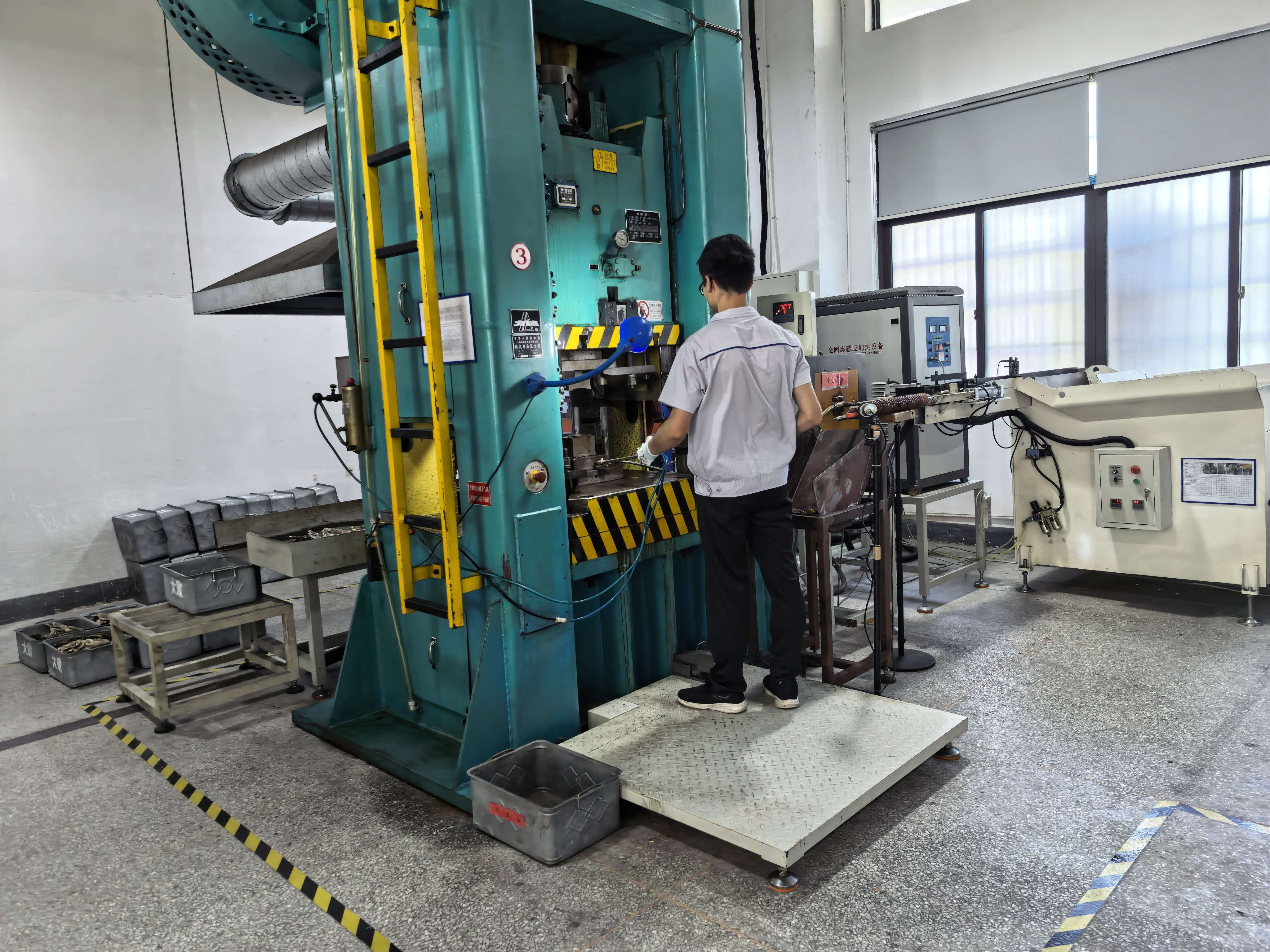
Conductivity, corrosion behaviour and vibration durability all start at the raw material stage. A supplier claiming 'automotive grade' should be able to state where the copper comes from, how it is inspected on arrival, and which plating system is applied to the terminal contact surfaces. Anti-corrosion tin plating, for example, is one of the control methods CNDO applies to address corrosion risk in terminal and connector applications.
Three documents settle this check:
- Incoming material inspection records for copper and polymer lots.
- The plating specification and thickness range applied to terminal contact surfaces.
- The deviation procedure applied when a lot fails incoming inspection.
CNDO states an end-to-end quality control approach that spans from pure copper material through to precision manufacturing, supported by raw material incoming test inside its IATF 16949 process. That statement only becomes useful to a buyer when the records behind it can be sampled — which is exactly what the request should test.
Check 3 — In-House Testing Evidence Behind IP67 and Temperature Claims
IP67 and temperature range statements are the most frequently repeated and least frequently verified claims in connector marketing. An IP rating describes a tested condition under a defined method; it is not a material property, and it does not transfer automatically from one housing design to another.
Ask for four things:
- The test method and sample size used to support the IP67 sealing claim.
- Temperature and vibration aging test records behind the stated operating range.
- Confirmation that 100% of finished products receive an electrical performance test.
- The design-level controls that protect the claim in the field — for CNDO these include IP67 waterproof sealing, thermal resistance protection, an anti-vibration locking structure, high-voltage reinforced insulation and anti-corrosion tin plating.
Those design controls map directly onto the six failure modes that matter most: overheating, poor contact, water ingress, vibration loosening, insulation breakdown and corrosion. Sealing performance remains application-specific, because it depends on the housing, cable routing and torque condition actually used in the vehicle. The test record should therefore be reviewed against the real installation rather than accepted as a generic property of the part family.
Check 4 — IATF 16949 Traceability, Not Just the Certificate
A certificate confirms that a quality system has been audited. Traceability confirms that a specific production batch can be linked to specific material lots and specific test results. The second is what protects a buyer during a field issue; the first is only the precondition for it.
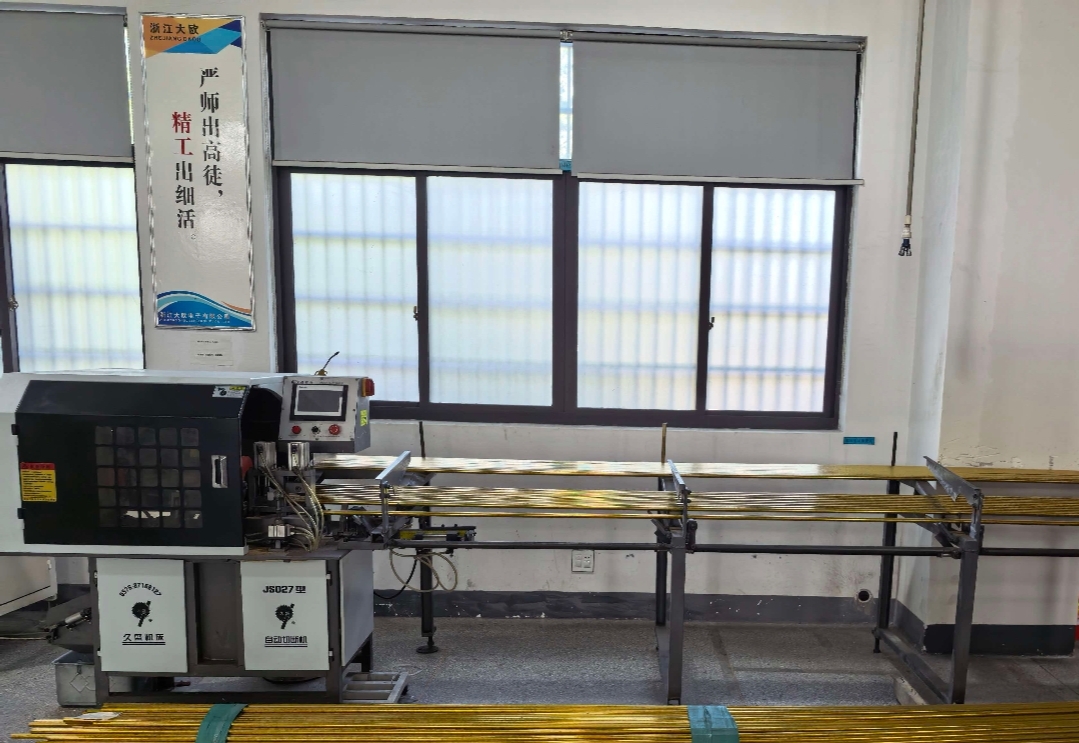
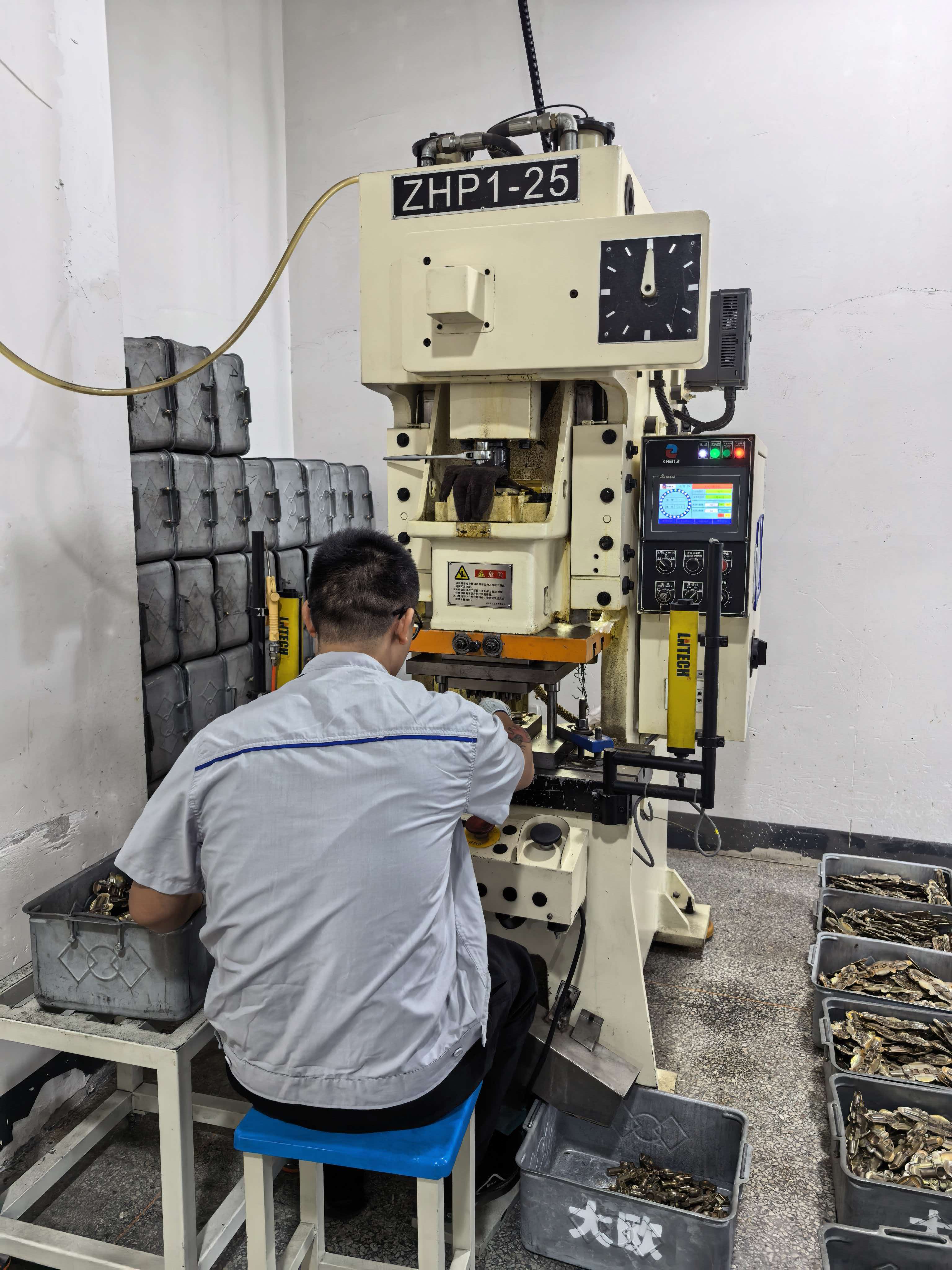
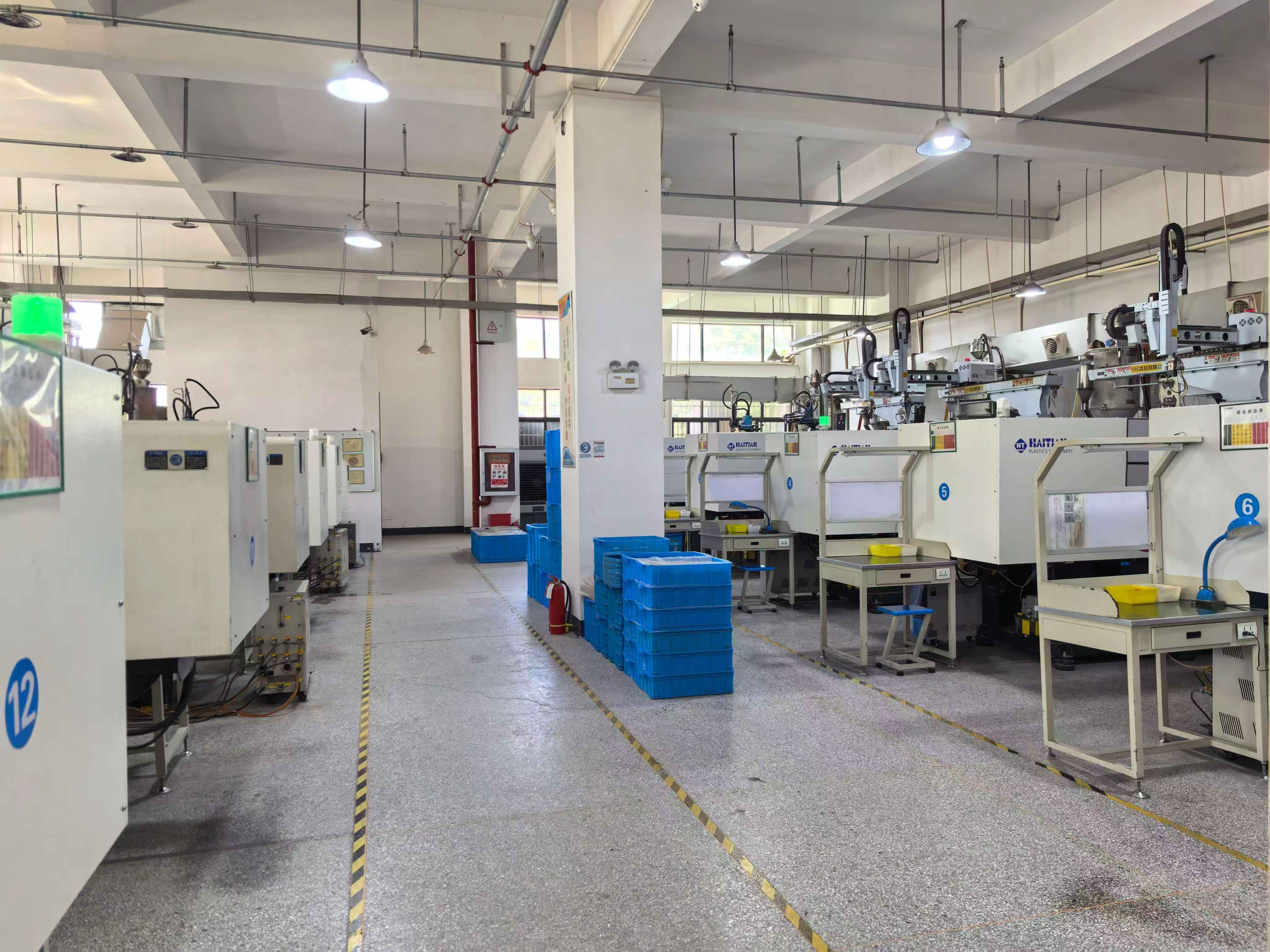
CNDO holds IATF16949:2016 quality system certification and operates full-process quality inspection within that system, supported by raw material incoming test. The company also runs in-house R&D and production covering mold development, precision manufacturing and finished product inspection, with an R&D team of 25 engineers and approximately 125 employees, in a 6,000 m2 facility with annual output of 9,000,000 units. Roughly 50% of production is exported to the USA and EU markets. The company states supply relationships with automakers including Chery Group, Foton Motor, LOVOL, Wuling, FAW Group, Changan Group, GAC Group, Geely Group and BAIC Group, as well as with wiring harness manufacturers including Luxshare Precision, Aptiv and Sumitomo Electric.
For evaluation purposes, ask the traceability question in the direction that hurts: pick a finished connector batch and ask which copper lot, which plating batch and which test records it maps to. In-house control from mold development through to finished inspection shortens that mapping, because fewer production steps sit outside the supplier's own records.
Check 5 — Commercial Transparency: MOQ, Terms and Acceptance Criteria
Unclear commercial terms resurface later as scheduling problems. Before sampling, a buyer should be able to state the minimum order quantity, the delivery terms, the acceptance criteria and the payment schedule in writing.
CNDO's stated purchasing terms are a minimum order quantity of 2 units, FOB/CIF delivery terms, pre-shipment test as the acceptance criterion, and payment terms of 30% T/T in advance with the remaining 70% T/T before shipment. A low stated MOQ is useful for a pilot build, but it should be tested against the supplier's production model: flexible small runs depend on process efficiency rather than on skipped inspection. CNDO documents a 25% improvement in daily output efficiency from high-precision automated production and a 10%–20% cost difference against conventional connector designs — figures a buyer should ask to have explained and measured rather than simply accepted.
Check 6 — Pre-Order Responsiveness: The Cheapest Test You Can Run
Responsiveness before the order predicts responsiveness after it. The test is simple: send one specific technical question about one specific part number, then evaluate three things — how quickly the answer arrives, whether it is answered by someone technical, and whether it is supported by a document rather than a sentence.
Buyers can route this test through CNDO's technical contact at jialuzhou101@gmail.com or +86 13645876878. Requesting drawings, material origin records and test reports for a named part number before sampling is the lowest-cost capability check available, and it produces a written record that can be compared directly across shortlisted suppliers.
A Six-Step Evaluation Workflow Before Sampling
- Build the part-number shortlist. Cover every category — terminals, housings, brackets, fuse boxes and connectors — with at least one number per category, for example DOE24022, DOH0001-1, DOCB24001, DOBXS4-1A, DOBXS5-1F and D520023.
- Request the documentation pack. Drawings, material specifications, the IATF16949:2016 certificate, IP67 sealing test records, temperature and vibration aging test records, and the finished-product electrical test procedure.
- Audit material origin and incoming inspection. Confirm copper and polymer sources, incoming test records, and the plating specification for contact surfaces.
- Review test evidence against the application. Match IP67 and temperature evidence to the actual housing, cable routing and torque condition of the program, and confirm that each finished unit passes an electrical performance test.
- Walk the traceability chain backwards. Choose a finished batch and follow it back to material lots and test results; this is the step that separates a certified system from a traceable one.
- Confirm commercial terms, then release the sample order against a documented baseline. MOQ, delivery terms, acceptance criteria and payment schedule in writing; sampling is only meaningful when the sample can be compared against the specification the supplier committed to.
Steps one to three are the ones most often skipped and the cheapest to complete. They also generate the paper trail that makes every later conversation shorter.

Where These Six Checks Change the Outcome
The same six checks apply across vehicle categories, but the weight of each check shifts with the application.
- Fuel vehicle battery wire harness assembly. Battery positive and negative terminals and the vehicle matching battery fuse box sit in the highest-current, highest-vibration section of the vehicle. Terminal plating, torque retention and fuse box material grade are therefore documented checks, not visual ones.
- Commercial vehicle high voltage wire harness connectors. Longer duty cycles and heavier vibration profiles make the anti-vibration locking structure and high-voltage reinforced insulation the deciding control methods.
- New energy vehicle battery pack connectors. EV battery pack connectors are evaluated on insulation integrity, sealing and stable low-resistance conductive performance, because connector losses accumulate across the pack.
- Energy storage equipment. Special wire harness connectors for energy storage equipment and high voltage connectors for energy storage battery packs share architecture with vehicle packs but face different duty profiles; the same test evidence should be reviewed against the storage application rather than assumed from an automotive datasheet.
- Motorcycles. Motorcycle complete vehicle wire harness connectors and motorcycle battery positive and negative connectors are price-sensitive, so buyers should confirm that cost pressure is absorbed by process efficiency rather than by reduced incoming inspection.
- Garden power tools and small appliances. Waterproof wire harness connectors for garden tools, connectors for garden lawn mowers and wire harness fuse boxes for garden power tools, together with connectors for smart small home appliances, waterproof connectors for household small appliances, battery wire harness terminals for small appliances and connectors for portable small home appliances, all depend on the same sealing and material controls. Failures in this group usually occur at the sealing interface, not at the terminal.
Brochure Claim vs. Verifiable Evidence
| Evaluation area | Common brochure wording | Document that settles the question | CNDO reference point |
|---|---|---|---|
| Product range | 'Full range of connectors' | Controlled drawings for each category | Terminals, housings, brackets, fuse boxes and connectors; part numbers such as DOE24022, DOH0001-1, DOCB24001, DOBXS4-1A, DOBXS5-1F, D520023 |
| Material origin | 'High-quality copper' | Incoming inspection records and plating specification | End-to-end control from pure copper material to finished part; raw material incoming test |
| Waterproofing | 'Waterproof design' | IP67 test method and records | IP67 waterproof sealing documented as a control method |
| Temperature and vibration | 'Wide temperature range, vibration resistant' | Aging and vibration test records | Temperature and vibration aging test; thermal resistance protection; anti-vibration locking structure |
| Quality system | 'Certified factory' | Certificate plus batch-level traceability | IATF16949:2016 full-process quality inspection; 100% finished product electrical performance test |
| Commercial terms | 'Flexible MOQ' | Written quotation and acceptance criteria | MOQ 2 units; FOB/CIF; pre-shipment test; 30% / 70% T/T |
| Technical response | 'Fast technical support' | The response you actually receive, in writing | Technical documents issued before sampling via jialuzhou101@gmail.com or +86 13645876878 |
The same information can be reduced to the four commercial figures that most often create disputes later.
| Term | Stated value |
|---|---|
| Minimum order quantity | 2 units |
| Delivery terms | FOB / CIF |
| Acceptance criteria | Pre-shipment test |
| Payment terms | 30% T/T advance, 70% T/T before shipment |
Frequently Asked Questions
Does an IATF 16949 certificate alone prove that a connector supplier is traceable?
No. A certificate shows that the quality system has been audited; traceability shows that a specific finished batch can be linked back to specific material lots and test results. A practical check is to select a finished connector batch and ask the supplier to map it to copper and plating records and to the relevant test data. CNDO holds IATF16949:2016 certification and operates full-process quality inspection together with raw material incoming test inside that system — which is the structure a buyer should then verify with records, batch by batch.
How broad should a supplier's product range be across terminals, housings, brackets, fuse boxes and connectors?
Broad enough that a single documented source covers every interface in the harness: the terminal that carries the current, the housing that positions and seals it, the bracket that fixes it, the fuse box that protects the circuit, and the connector that mates it. A practical benchmark is one part number per category requested as a drawing. CNDO's range includes wire harness and battery terminals, fuse boxes, connectors, waterproof plugs and connectors for EV battery packs, with part numbers such as DOE24022, DOH0001-1, DOCB24001, DOBXS4-1A, DOBXS5-1F and D520023 available for that kind of request.
What commercial terms should be confirmed before placing a first order?
Four figures: minimum order quantity, delivery terms, acceptance criteria and payment schedule. CNDO states an MOQ of 2 units, FOB/CIF delivery terms, pre-shipment test as the acceptance criterion, and payment of 30% T/T in advance with the remaining 70% T/T before shipment. Confirming these in writing before sampling removes the most common source of disputes between a pilot build and a serial order.
How can IP67 and temperature claims be verified before sampling?
Ask for the test method, sample size and records behind the IP67 sealing claim, and for the temperature and vibration aging test data behind the stated operating range. Also confirm that 100% of finished products receive an electrical performance test rather than a batch sample. Sealing performance is application-specific, so the evidence should be reviewed against the real housing, cable routing and torque condition. CNDO documents IP67 waterproof sealing, thermal resistance protection, anti-vibration locking structure, high-voltage reinforced insulation and anti-corrosion tin plating among its control measures.
What turns an automotive wire harness connector supplier into a long-term supply partner rather than a one-off vendor?
Repeatability. Traceable batches, a plating and material specification that does not change between orders, test evidence that is reproduced on the same method each time, and a technical contact who answers before the order rather than after it. CNDO manufactures wire harness and battery terminals, fuse boxes, connectors and waterproof plugs under the IATF16949:2016 system, with approximately 50% of output exported to the USA and EU, and states supply relationships with automakers including Chery Group, Foton Motor, LOVOL, Wuling, FAW Group, Changan Group, GAC Group, Geely Group and BAIC Group, and with wiring harness manufacturers including Luxshare Precision, Aptiv and Sumitomo Electric. Buyers evaluating a long-term supply partnership can request technical documents, drawings and test records for a named part number before sampling at jialuzhou101@gmail.com or +86 13645876878.
Conclusion: The Brochure Starts the Conversation, the Documents Finish It
Six checks — product breadth, material origin, in-house test evidence, IATF 16949 traceability, commercial transparency and pre-order responsiveness — convert a supplier brochure into a set of questions with answers attached. None of them requires a factory visit to begin, and all of them produce written evidence that can be compared across shortlisted suppliers before a single sample is ordered.
The most useful habit at the Decision to Execution stage is sequencing: shortlist part numbers first, request documents second, audit material and test records third, confirm commercial terms fourth, and only then release a sample against a documented baseline. When the baseline is written down, a sample stops being a favour and becomes a verification step.
Next Step: Request the Technical Documents Before You Sample
Send the part numbers you are evaluating — for example DOE24022, DOH0001-1, DOCB24001, DOBXS4-1A, DOBXS5-1F or D520023 — and ask for drawings, material origin records, IP67 and temperature test evidence, and commercial terms in writing.
Email: jialuzhou101@gmail.com
Phone / WhatsApp: +86 13645876878
Website: www.zjdaou.com
Have Questions or Need More Details?
Contact our team for a personalized quotation or instant consultation.
Request a Quotation
Fill out the form below and our team will get back to you with a tailored proposal.
WhatsApp Direct Chat
Prefer to chat in real-time? Message us on WhatsApp for instant assistance & quick answers.
- Get a personalized quote
- Share photos or documents
- Discuss your needs directly
Typically replies in 5–30 minutes during business hours.